- Serving Pilgrims with Sincerity & Trust Since 1987
- 1-866-254-6321



What the Last Ten Nights of Ramadan Are Really Like in Makkah
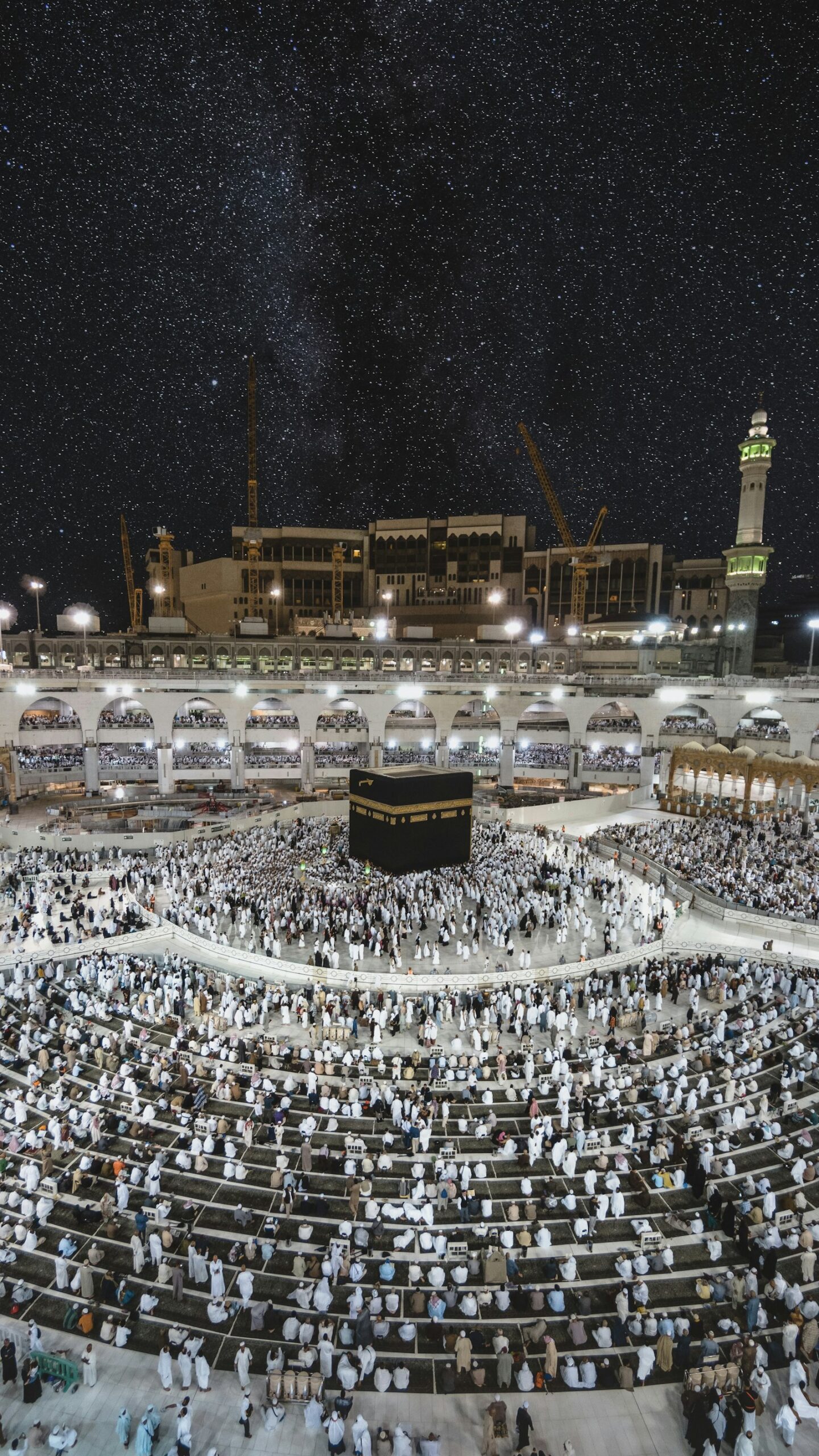
Ask anyone who’s been to Makkah during the last ten nights of Ramadan, and they’ll tell you the same thing: it doesn’t feel like the rest of the month. The crowds swell, the nights stretch longer, and something shifts in the atmosphere around the Haram that’s hard to explain until you’ve stood in it.
Key Points
- Laylatul Qadr falls somewhere in the last ten nights, most likely on an odd night
- Hotel proximity to the Haram matters far more during this window than any other Umrah trip
- Expect longer Taraweeh, bigger Tahajjud crowds, and busier suhoor/iftar service
- This trip is more physically demanding — book it knowing that going in
- Rooms near the Haram sell out months ahead for these specific nights
If you’re weighing whether to plan an Umrah trip specifically for this window, rather than the first week of Ramadan or another time of year, here’s what’s actually different about it — and what’s worth knowing before you book.

Why These Ten Nights Are Different
Laylatul Qadr, the Night of Decree, falls somewhere in these final ten nights. Most scholars point to the odd-numbered nights, with the 27th getting particular attention, though no one knows exactly which one it is. That uncertainty is more or less the point — pilgrims pray through each night as though it might be the one.
Practically, this means Taraweeh runs longer, Tahajjud draws far bigger crowds than usual, and a lot of pilgrims choose to stay inside the mosque between Isha and Fajr instead of going back and forth to their hotel. If you’ve never prayed through a night surrounded by hundreds of thousands of people reciting Quran in near-unison, it’s genuinely hard to describe. Pilgrims who’ve done it often say it changes how the rest of Ramadan feels for years afterward.
What Changes Logistically
A few things worth knowing if you’re planning around this specific window:
Hotel distance matters more than usual. During the last ten nights, the walk between your hotel and the Haram can take three or four times longer than normal, purely because of foot traffic. This is the one trip where paying extra for proximity genuinely changes your experience, not just your comfort level.
Itikaf changes the crowd pattern. Some pilgrims go into itikaf, a spiritual retreat where you don’t leave the mosque grounds, for part or all of these ten nights. If you’re not doing itikaf yourself, expect certain areas of the mosque to be roped off or reserved, which shifts where general prayer space is available.
Meal timing gets trickier. Suhoor and iftar service around the Haram gets a lot busier during this window. Groups that plan ahead, with pre-arranged suhoor and fixed iftar times back at the hotel, tend to have a smoother experience than those figuring it out night to night.
You’ll want more stamina than you think. Between longer prayers, less predictable sleep, and standing for extended stretches, this trip is more physically demanding than a typical Umrah. Pilgrims who’ve done both often say the first week of Ramadan is gentler; the last ten nights ask more of you, and tend to give more back.
Who This Trip Tends to Suit
This isn’t necessarily the easiest first Umrah for someone traveling with young children or elderly parents who need a predictable routine. The crowds and the disrupted schedule can be a lot to manage. It tends to suit pilgrims who’ve done Umrah before and specifically want the last-ten-nights experience, or people going through a season in life where they want to give real, uninterrupted time to worship.
That said, we’ve taken groups of all ages through this window, and with the right hotel placement and a realistic pace, it works for most families who go in with clear expectations.
What’s Included in the Package
Our Ramadan Umrah package for the last ten days covers round-trip flights from your USA departure city, hotel stays in both Makkah and Madinah, Saudi visa processing, ground transportation, and daily guidance from our team throughout. Because this window is in higher demand, hotel rates near the Haram rise sharply during these specific nights, so pricing runs a bit above our other Ramadan departure. That’s true industry-wide this time of year, not specific to us.
If proximity to the Haram matters to you for this trip in particular, book earlier than you might for other Umrah dates. Rooms close to the mosque are the first to go, sometimes months out.
Getting Ready
- Break in whatever shoes you’ll wear for walking — you’ll be on your feet more than usual
- Bring a small prayer mat or cushion; floor space fills up fast during peak nights
- Pack light, breathable clothing even if you’re traveling from a cold-weather city — Makkah’s Ramadan nights stay warm
- Talk to your doctor about hydration and medication timing if you’re planning to fast while traveling
If you’re not sure whether this specific window fits your family or your schedule, call our team. We’ve walked enough pilgrims through these last ten nights to help you figure out what actually makes sense for you, rather than just sell you the trip.
View dates and pricing for our Last 10 Days of Ramadan Umrah package →